The Quiz
Discussion
Join
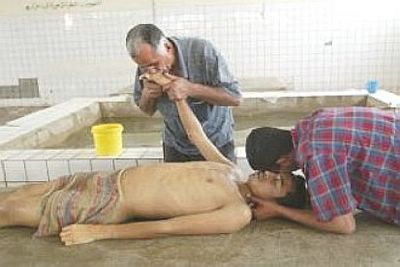
Imam Ali quizzed his son Al-Hassan about Murū'a (Chivalry):
Q: What is Sadād (Oppositeness of remarks)?
A: O my father Sadād is the rejection of evil by goodness.
Q: What is Sharaf (Honor)?
A: Forming a loyal group that endure the injuries of crimes, brotherly
preservation of the neighbors. (Honor and nobility is not gained by
means of funds or brute force, rather by enduring the injustice and not
hasten to take revenge. This does not mean to form the gangster groups
to preserve the interests of a minority, for that reason the word
brotherly was emphasized.)
Q: What is Murū'a (Chivalry)?
A: Virtuousness, decency and integrity; purifying the wealth. (Unlawful
provision is the hardest opacity for the Nafs (Self) to
bask under the Nur (Divine Light)
and practically all other virtue are nullified.)
Q: What is Diqqa (Acuteness)?
A: Searching for subtleties and preventing the lowliness. (Dara: The
Sufi is quite aware of all that is surrounding him and learns the
language of the subtleties to avoid conflict, detect distress within
the hearts and use subtleties to heal the spiritually ailing.)
Q: What is Lu'm (Wickedness)?
A: Helping the Nafs (Self)
triumphant and splurging excessively on marital affairs. (Dara: We hope
that our translation is correct, indeed unusual expenditure of on
marital affairs has become a normality in most societies which has
eroded the spirituality of the middle class and has widened the gap
between them and the poor, hence hate between them.)
Q: What is Samāha (Magnanimity)?
A: Splurging generously when it is hard to give away and when it is
easy to give.
Q: What is Shuhh (Covet-ness)?
A: To see one's charity as a waste.
Q: What is 'Ikhā' (Brotherhood)?
A: Consolation and beneficence in good times and bad times. (Anyone can
be your lover, brother or friends for short periods of time when all is
well. But would they still be with you when you have trouble? Then you
know why Allah sent some trouble your way! Not to punish you but to let
you see the folly of your loved ones, so that you will in good times to
help them to correct themselves and feel sympathy for them in your
prayers.)
Q: What is Jubn (Cowardliness)?
A: Boldness to friends and refusal to face the enemy.
Q: What is Ghanima (Booties, Spoils)?
A: Desire for righteousness and Zohd (Asceticism)
in the world, indeed are spoils. (Dara: Warriors indeed wage war to
gain spoils, the Sufi wages war against his Nafs (Self) to
snatch the ultimate booties.)
Q: What is Helm (Forbearance)?
A: Suppressing the anger and governing the Nafs (Self).
Q: What is Ghinā (Being free from want)?
A: Naf's satisfaction with what Allah has given her, be it little or a
lot. The true wealth is the wealth within. (Dara: Ask Allah to give you
that which you are satisfied with, rather that asking for a lot.)
Q: What is Faqr (Poverty)?
A: Nafs's
Gluttony in everything. (Dara: Pauper is not the one who has nothing,
rather it is the one that cannot be satiated.)
Q: What is Mani'a (Invincibility)?
A: Toughness, opposing the rich and the powerful.
Q: What is Dhull (Humility)?
A: Fright about one's own truth. (Dara: Observe with care the horror of
your past deed prior to overly judging the little mistakes of your
loved ones and strangers at large.)
Q: What is 'Ayyu (Lack of Expression)?
A: Playing around with the beard and constant spitting. (Dara: Lack of
verbose expression and instead doing gross/hateful habitual deeds. One
should spend much effort to be able to express himself properly and
timely.)
Q: What is Jur'a (Courage)?
A: Facing resisting competing with the people of your own
age/level/ability.
Q: What is Kulfa (Burden)?
A: Talking about what is not your business. (Dara: This is a wonderful
Hadith/Narration from the Prophet. Forsake anything that is not your
business. You see you have got rid of most of your burden.)
Q: What is Majd (Personal Glory)?
A: Firmness of the resolution, giving it your best, forgiving the
wrongdoings against one's own Self.
Q: What is 'Aql (Intellect)?
A: Preserving all that is in your heart. (Dara: Within your heart lies
the Nur (Divine
Light) and the Ma'refat (Divine Gnosis) and since both come from
the other universe the 'Aql is there to preserve the Divine Endowments.)
Q: What is Kharq (Stupidity)?
A: Making your Imam look stupid and raising your voice over him. (Dara:
The reverse is happening today, as soon as we see a man with beard and
some fabric on him we start worshipping him!)

Q: What is the Thanā' (Praise)?
A: Committing some beautiful acts while forsaking the shameful.
Q: What is Hazm (Determination)?
A: Great patience during long suffering and gentleness/tolerance with
the rulers. (Dara: The easiest path for change is to kill the leader of
some place. Did that change anything you see on CNN?)
Q: What is Safah (Insolence)?
A: Following the lowly, companionship of the misguided that misguides
others. (Dara: Your are what your companion is!)
Q: What is Ghafla (Negligence)?
A: Abandoning the mosque and obeying the corrupted.
Q: What is Hirmān (Deprivation)?
A: Refusing your rightful portion that was presented to you.
Q: Who is the Musid (Corrupter)?
A: Foolish with his money and careless with his family members
(specially the female).
The above quiz was to check if Al-Hassan still recalled the teachings
of the Prophet peace be upon him, since the teachings of the Ahlil Bait
(Household of the Prophet) are nothing but his teachings and none else.
Here we see a worried father, who buried his beloved Prophet, sees the
waves of turmoil ahead and fears for his son. He does not fear for his
life or his provision, he fears for his Khulq (Behavior)
and Hereafter.
حدثنا سليمان بن
أحمد، حدثنا محمد بن عبد الله الحضرمي، حدثنا ابن المنذر، حدثنا عثمان بن
سعيد، حدثنا محمد بن عبد الله أبو رجاء الحبطي من أهل تستر، حدثنا شعبة بن
الحجاج، عن أبي إسحاق الهمداني، عن الحارث، قال: سأل علي ابنه الحسن عن
أشياء من أمر المروءة، فقال: يا بني ما السداد؟ قال: يا أبت السداد دفع
المنكر بالمعروف، قال: فما الشرف؟ قال: اصطناع العشيرة، وحمل الجريرة،
قال: فما المروءة؟ قال: العفاف وإصلاح المال، قال: فما الرأفة؟ قال: النظر
في اليسير ومنع الحقير، قال: فما اللؤم؟ قال: إحراز المرء نفسه وبذله
عرسه، قال: فما السماح؟ قال: البذل في العسر واليسر، قال: فما الشح؟ قال:
أن ترى ما في يديك شرفاً، وما أنفقته تلفاً، قال: فما الإخاء؟ قال:
المواساة في الشدة والرخاء، قال: فما الجبن؟ قال: الجرأة على الصديق،
والنكول عن العدو، قال: فما الغنيمة؟ قال: الرغبة في التقوى، والزهادة في
الدنيا هي الغنيمة الباردة، قال: فما الحلم؟ قال: كظم الغيظ وملك النفس،
قال: فما الغنى؟ قال: رضى النفس بما قسم الله تعالى لها وإن قل، وإنما
الغنى غنى النفس، قال: فما الفقر؟ قال: شره النفس في كل شيء، قال: فما
المنعة؟ قال: شدة البأس ومنازعة أعزاء الناس، قال: فما الذل، قال: الفزع
عند المصدوقة، قال: فما العي؟ قال: العبث باللحية وكثرة البزق عند
المخاطبة، قال: فما الجرأة؟ قال: موافقة الأقران، قال: فما الكلفة؟ قال:
كلامك فيما لا يعنيك، قال: فما المجد؟ قال: أن تعطي في العزم وتعفو عن
الجرم، قال: فما العقل؟ قال: حفظ القلب كل ما استوعيته، قال: فما الخرق؟
قال: معاداتك إمامك ورفعك عليه كلامك، قال: فما السناء؟ قال: إتيان الجميل
وترك القبيح، قال: فما الحزم؟ قال: طول الأناة والرفق بالولاة، قال: فما
السفه؟ قال: اتباع الدناة ومصاحبة الغواة، قال: فما الغفلة؟ قال: ترك
المجد وطاعتك المفسد، قال: فما الحرمان؟ قال: تركك حظك وقد عرض عليك، قال:
فما السيد؟ قال: الأحمق في ماله والمتهاون في عرضه يشتم فلا يجيب والمتحزن
بأمر عشيرته هو السيد، فقال علي: سمعت رسول الله صلى الله عليه وسلم يقول:
"لا فقر أشد من الجهل، ولا مال أعود من العقل".
©
2006-2002, Dara O.
Shayda , Ahmad Bukhari